
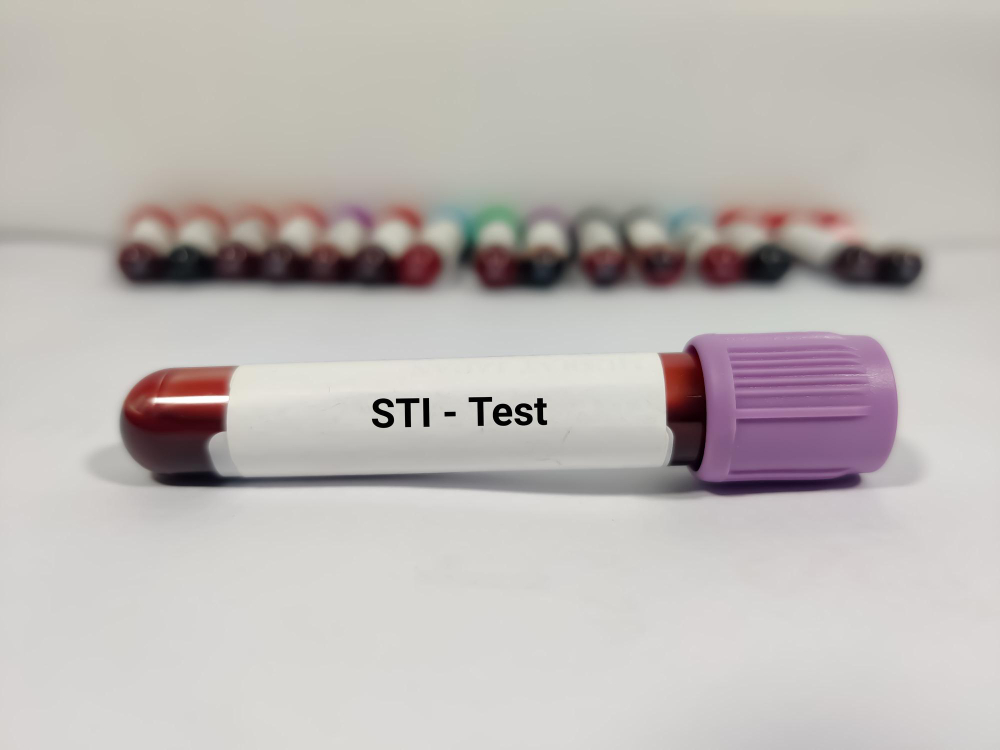
Comprehensive STI & STD Testing Services
Sexually transmitted infections (STIs), often referred to as STDs, are incredibly common, yet they frequently present with no symptoms at all. Regular STI screening is an essential part of your routine healthcare, ensuring that any infections are caught and treated early before they can cause long-term complications like chronic pelvic pain or infertility.
At Miami Women’s Center, we provide confidential, compassionate, and comprehensive STI testing and treatment. Whether you need routine screening as part of your annual wellness exam or are seeking testing due to specific symptoms or a new partner, our clinical team is here to support your sexual health without judgment.
Request an AppointmentWhen to Schedule an Immediate STI Screening
While routine testing is ideal, you should schedule a screening right away if you experience any of the following:
- Unusual or foul-smelling vaginal discharge
- Burning, pain, or discomfort during urination
- Unexplained pelvic pain or cramping outside of your period
- Pain or bleeding during or immediately after sexual intercourse
- Sores, bumps, warts, or unusual rashes on or around your genital area
If pelvic pain persists after treatment, our endometriosis and pelvic pain team can help evaluate other possible causes.
Frequently Asked Questions About STI Testing
STI & STD Testing at Miami Women’s Center
Who should get tested for STIs, and how often?
Testing recommendations depend heavily on age, lifestyle, and relationship status. Annual screening for chlamydia and gonorrhea is generally recommended for all sexually active women under 25. For women 25 and older, screening is recommended with new or multiple partners, a partner with a known STI, or a new relationship. Routine HIV and syphilis screening is also an important part of standard preventive care regardless of age.
What STIs does Miami Women’s Center test for?
We offer comprehensive screening panels that can detect a range of infections, including chlamydia and gonorrhea, syphilis, HIV, HPV, HSV-1 and HSV-2 (genital herpes), trichomoniasis, and hepatitis B and C.
How is the testing actually performed?
STI testing is quick and minimally invasive. Depending on what’s being screened for, your provider may collect a urine sample, draw a small vial of blood, or use a gentle swab to collect fluid from inside the vagina or cervix. Many common STIs can now be detected simultaneously from a single, painless vaginal swab.
What happens if my test results are positive?
There’s no need to panic. The vast majority of STIs are highly curable with a simple course of oral antibiotics or a quick in-office injection. For viral STIs that can’t be cured, such as herpes or HIV, our providers work closely with you on effective antiviral management to control symptoms and protect your long-term health and your partners.
Do I need to tell my partner if I test positive?
Yes, informing partners is important so they can get tested and treated as well, which also helps prevent reinfection.
Is STI testing confidential?
Yes, all testing follows strict confidentiality and HIPAA guidelines.
Can I get tested even if I don’t have any symptoms?
Yes — many STIs are asymptomatic, which is exactly why routine screening based on your age and risk factors is recommended rather than waiting for symptoms to appear.