
Personalized Birth Control
Finding the right birth control method requires looking beyond effectiveness rates — it involves matching a method to your unique body chemistry, medical history, daily routine, and personal goals.
At Miami Women’s Center, we provide comprehensive contraception services. Our clinical team offers a supportive, informative environment where you can explore every available option and make empowered decisions about your reproductive health.
Request an AppointmentWhat to Expect During a Birth Control Consultation
A birth control consultation at Miami Women’s Center is tailored to your individual reproductive health needs:
- Comprehensive health screening: We check your blood pressure and review your personal and family medical history to rule out any risk factors before prescribing hormonal methods.
- Same-day care & procedure planning: If you choose an oral contraceptive, patch, or ring, we can often send the prescription to your pharmacy immediately. For LARC methods like IUDs or implants, we discuss the procedure, answer your questions, and coordinate your insertion appointment.
- Fertility transition support: If you are visiting us to stop using contraception in order to conceive, we can provide guidance on optimizing your health for a future pregnancy, or connect you with our preconception counseling team.
Frequently Asked Questions About Contraception
Contraception Care at Miami Women’s Center
What types of birth control options are available?
We provide a full spectrum of contraceptive choices:
- Long-acting reversible contraceptives (LARC): Hormonal and non-hormonal (hormone-free, copper) IUDs, and sub-dermal arm implants.
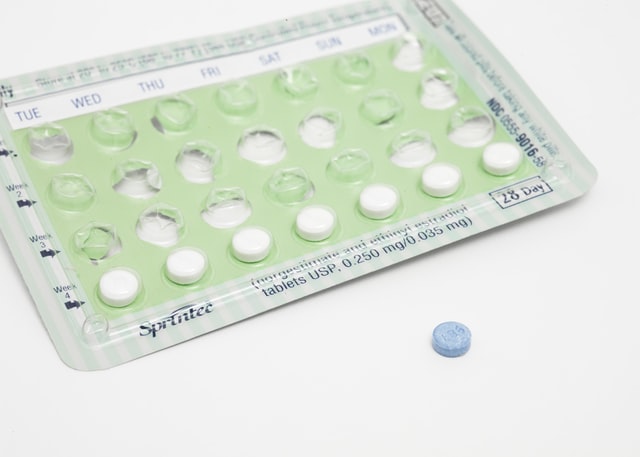
- Hormonal methods: Oral contraceptive pills (combined and progestin-only), birth control patches, and vaginal rings.
- Injectable contraception: Birth control shots administered once every 12 weeks.
- Barrier & emergency options: Diaphragm fittings and emergency contraception counseling.
What is an IUD, and how long does it last?
An IUD is a small, T-shaped device that a provider gently inserts into your uterus during a quick, in-office procedure. IUDs are over 99% effective and require no daily maintenance. Depending on the type, they can protect against pregnancy for 3 to 10 years. Hormonal IUDs can also lighten periods and reduce cramping, and all IUDs are reversible and can be removed at any time.
How do I choose the best contraceptive method for my body?
Your provider will evaluate your medical history (such as blood pressure and migraine history), any current cycle issues, your daily schedule preferences, and your timeline for wanting children in the future to help find your ideal match.
Can birth control help manage medical conditions besides preventing pregnancy?
Yes. Hormonal contraceptives are frequently used to regulate unpredictable cycles, reduce heavy bleeding, manage severe cramps, and treat symptoms associated with PCOS, endometriosis, and uterine fibroids.
What if I miss a birth control pill?
If you miss one pill, take it as soon as you remember. If you miss two or more, follow the instructions in your specific pack and use backup contraception for 7 days, or call our office for guidance.
How soon can I get pregnant after stopping birth control?
Fertility can return quickly after stopping most methods, sometimes within the same cycle, though it may take a bit longer to return to a regular cycle after injectable methods.
Does birth control protect against STIs?
No. Birth control prevents pregnancy but does not protect against sexually transmitted infections. Condoms remain important for STI prevention alongside any other method you choose — see our STI testing page for more.